What tanneries in Kanpur and Unnao must track under UPPCB — consents, CETP compliance, chrome recovery and Ganga-basin scrutiny — plus Taj Trapezium Zone rules around Agra.
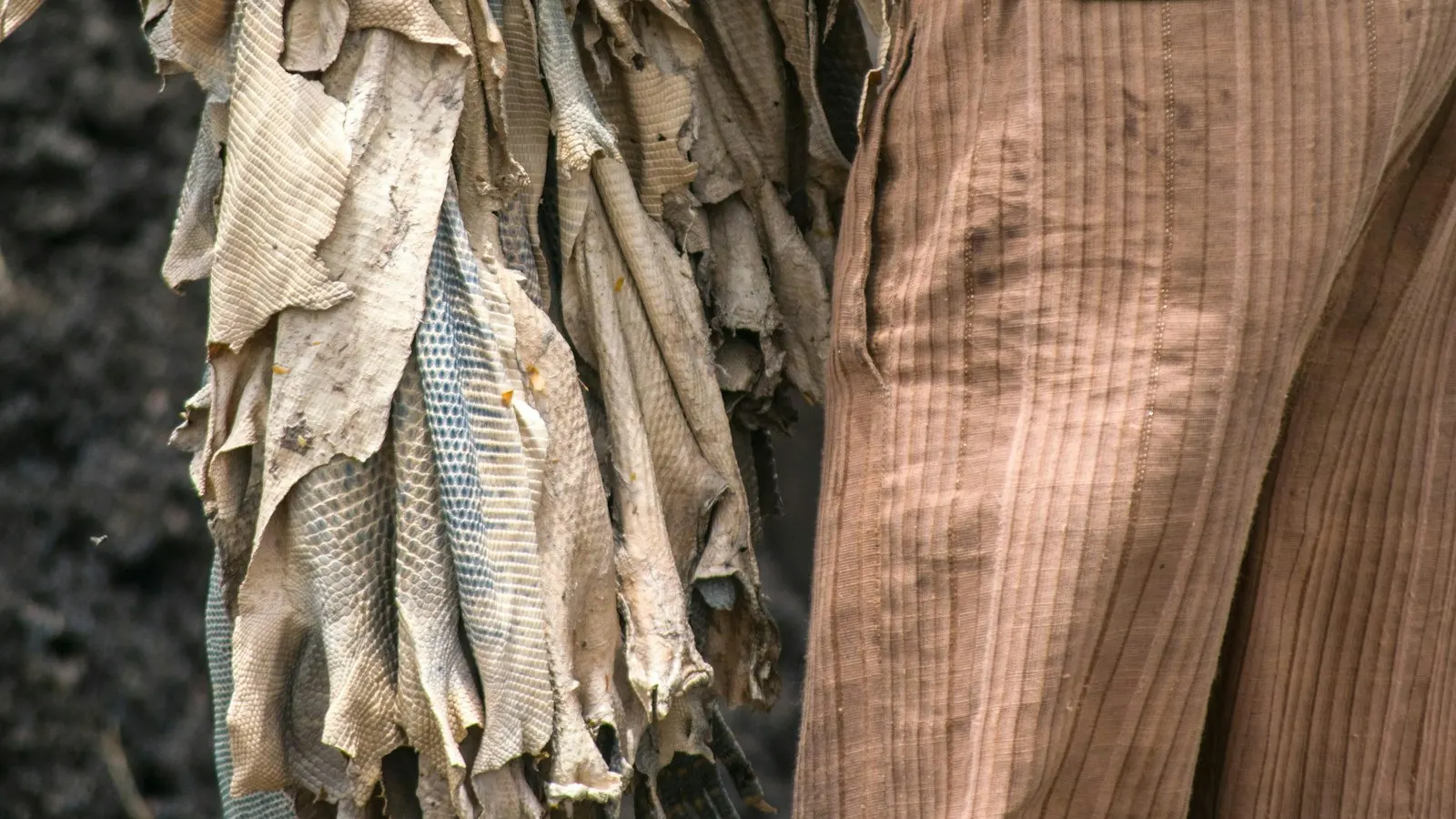
Kanpur's leather industry, centred on Jajmau and spreading into Unnao, sits on the banks of the Ganga. That location has made it one of the most closely watched industrial clusters in the country — and it changes what compliance means for every tannery there.
UPPCB consents
The Uttar Pradesh Pollution Control Board (UPPCB) issues a Consent to Establish and a Consent to Operate under the Water Act, 1974 and the Air Act, 1981, plus hazardous-waste authorisation. For tanneries, the consent conditions centre on effluent — chrome above all — and on how the unit connects to common treatment.
Why the Ganga changes the rules
Cleaning the Ganga is a long-running national priority, and polluting industries in its basin have faced repeated court and tribunal orders. Kanpur's tanneries in particular have seen closure orders, restrictions and seasonal shutdowns — for example around major bathing festivals. A unit's compliance record is what decides whether it keeps operating when the cluster comes under scrutiny.
What a tannery should keep on record
Checklist6 items
- Valid Consent to Operate and hazardous-waste authorisation
- Chrome recovery or segregation of chrome-bearing liquor before it reaches common treatment
- Pre-treatment performance and CETP connection, with inlet quality checked
- Regular effluent monitoring from a recognised laboratory
- Sludge and solid-waste quantities with disposal manifests
- Production within consented capacity
Agra and the Taj Trapezium Zone
Around Agra, industry sits inside the Taj Trapezium Zone (TTZ), created to protect the Taj Mahal from air pollution. Units there — foundries, glass works in Firozabad and others — face restrictions on fuels, with a long-standing push towards natural gas in place of coal and coke, and tighter scrutiny on new or expanding polluting industry.
Noida, Greater Noida and Ghaziabad
Western UP's industrial towns are part of the NCR, so the same winter air-quality measures that apply in Haryana apply here — see our GRAP guide.
Using EnvironDesk for UPPCB clients
EnvironDesk keeps every consent, authorisation and monitoring schedule on one calendar with reminders at 60, 30 and 7 days, checks lab results against limits as they're entered, and files every manifest and report against its factory — so a unit's compliance record is complete when it's asked for. Auto-filled application forms currently cover GPCB; for UPPCB you file on the board's system as usual. More on the Uttar Pradesh page.
Get the free GPCB compliance checklist
Every clearance a Gujarat factory needs, with document lists and renewal timelines. 12 pages, no charge.
Vishal Mevada
Co-founder, EnvironDesk
Vishal spent nine years running environmental compliance for factory clients across Gujarat's GIDC estates before starting EnvironDesk. He has filed more CTO renewals than he cares to count.
General information, not legal advice. Environmental regulation changes, and how a rule applies depends on your unit's category, location and consent conditions. Verify anything decision-critical against the current GPCB or CPCB position, or take professional advice.
Related reading
All articles → Guide3 min read
Pollution Control Board Consent in India: One Law, Many State Boards
How consent to establish and operate works under every State Pollution Control Board — why Karnataka says CFE/CFO and Gujarat says CTE/CTO, what is the same nationally, and what to track.
Read more Checklist2 min read
Consent to Operate Renewal: A Checklist That Works in Every State
The documents, records and timeline a consent to operate (CTO / CFO) renewal needs under any State Pollution Control Board — and the mistakes that delay it.
Read more