
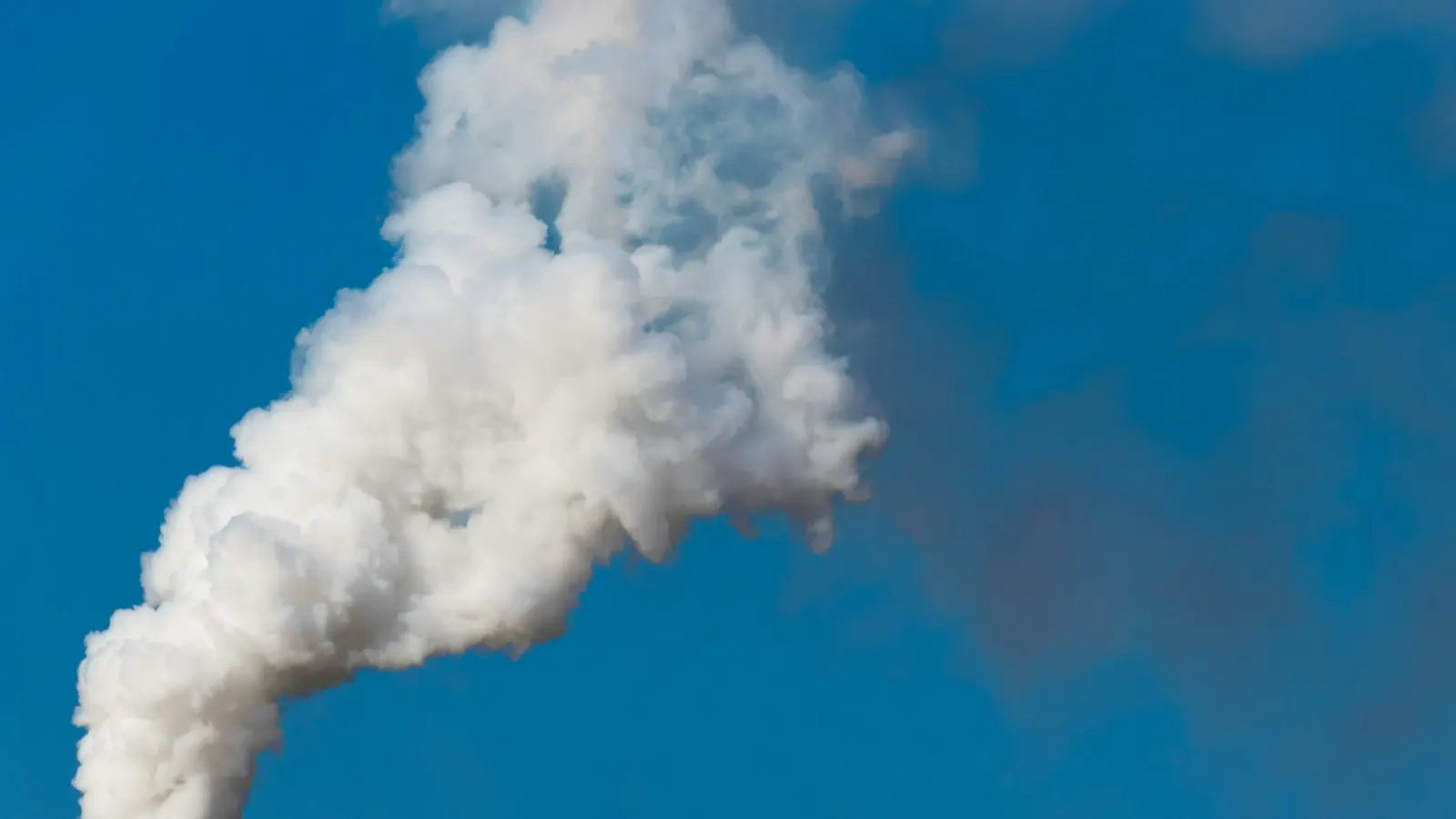
How the Graded Response Action Plan affects industries in Haryana's NCR — fuels, diesel generators and emissions — alongside HSPCB consents and stack monitoring.
Most of Haryana's industry — Gurugram, Manesar, Faridabad, Sonipat, Panipat, Bahadurgarh — sits inside the National Capital Region. For those units, compliance isn't only about the consent from the Haryana State Pollution Control Board (HSPCB). Every winter, air quality decides what they can burn and run.
What GRAP is
The Graded Response Action Plan (GRAP) is a set of emergency measures for the NCR, enforced by the Commission for Air Quality Management (CAQM). It is triggered in stages as the Air Quality Index worsens:
| Stage | Air quality | AQI |
|---|---|---|
| Stage I | Poor | 201–300 |
| Stage II | Very poor | 301–400 |
| Stage III | Severe | 401–450 |
| Stage IV | Severe+ | Above 450 |
Measures tighten at each stage and are cumulative. The exact list is set in CAQM's orders and revised from time to time, so treat the current order as the source of truth.
What it means for industry
- Approved fuels. Industries in the NCR are expected to run on fuels on CAQM's approved list; units on unapproved fuels face action, especially in the higher stages.
- Diesel generators. DG-set use is restricted as stages escalate, with limited exemptions — so reliable grid power or compliant backup matters.
- Emission controls. Stacks must meet limits, and controls must actually be running when inspection teams visit.
- Stricter stages. At the most severe stages, further restrictions on industrial operations can apply.
HSPCB consents still come first
Beneath GRAP, every unit needs HSPCB's Consent to Establish and Consent to Operate under the Water and Air Acts, renewed before expiry, plus hazardous-waste authorisation where relevant. Panipat's textile dyeing units also carry effluent conditions; Gurugram and Manesar's auto plants carry stack and paint-shop conditions.
A pre-winter checklist
Checklist6 items
- Confirm every fuel in use is on the current approved list
- Recent stack monitoring for every stack, within limits
- DG-set inventory, emission controls and running logs
- Air pollution control equipment serviced and logged
- Consent and authorisation valid through the winter
- Contact for the client's response if a GRAP stage is invoked
Using EnvironDesk for Haryana clients
EnvironDesk keeps each unit's consents, stack-monitoring schedule and returns on one calendar with reminders at 60, 30 and 7 days, checks lab results against limits as they're entered, and files every record against its factory — so the winter inspection file is ready before it's asked for. Auto-filled application forms currently cover GPCB; for HSPCB you file on the board's system as usual. More on the Haryana page.
Get the free GPCB compliance checklist
Every clearance a Gujarat factory needs, with document lists and renewal timelines. 12 pages, no charge.
Vishal Mevada
Co-founder, EnvironDesk
Vishal spent nine years running environmental compliance for factory clients across Gujarat's GIDC estates before starting EnvironDesk. He has filed more CTO renewals than he cares to count.
General information, not legal advice. Environmental regulation changes, and how a rule applies depends on your unit's category, location and consent conditions. Verify anything decision-critical against the current GPCB or CPCB position, or take professional advice.
Related reading
All articles → Guide3 min read
Pollution Control Board Consent in India: One Law, Many State Boards
How consent to establish and operate works under every State Pollution Control Board — why Karnataka says CFE/CFO and Gujarat says CTE/CTO, what is the same nationally, and what to track.
Read more Checklist2 min read
Consent to Operate Renewal: A Checklist That Works in Every State
The documents, records and timeline a consent to operate (CTO / CFO) renewal needs under any State Pollution Control Board — and the mistakes that delay it.
Read more