Why Tamil Nadu's dyeing and tannery clusters run on zero liquid discharge, what TNPCB consents require, and the records that prove a ZLD plant is really working.
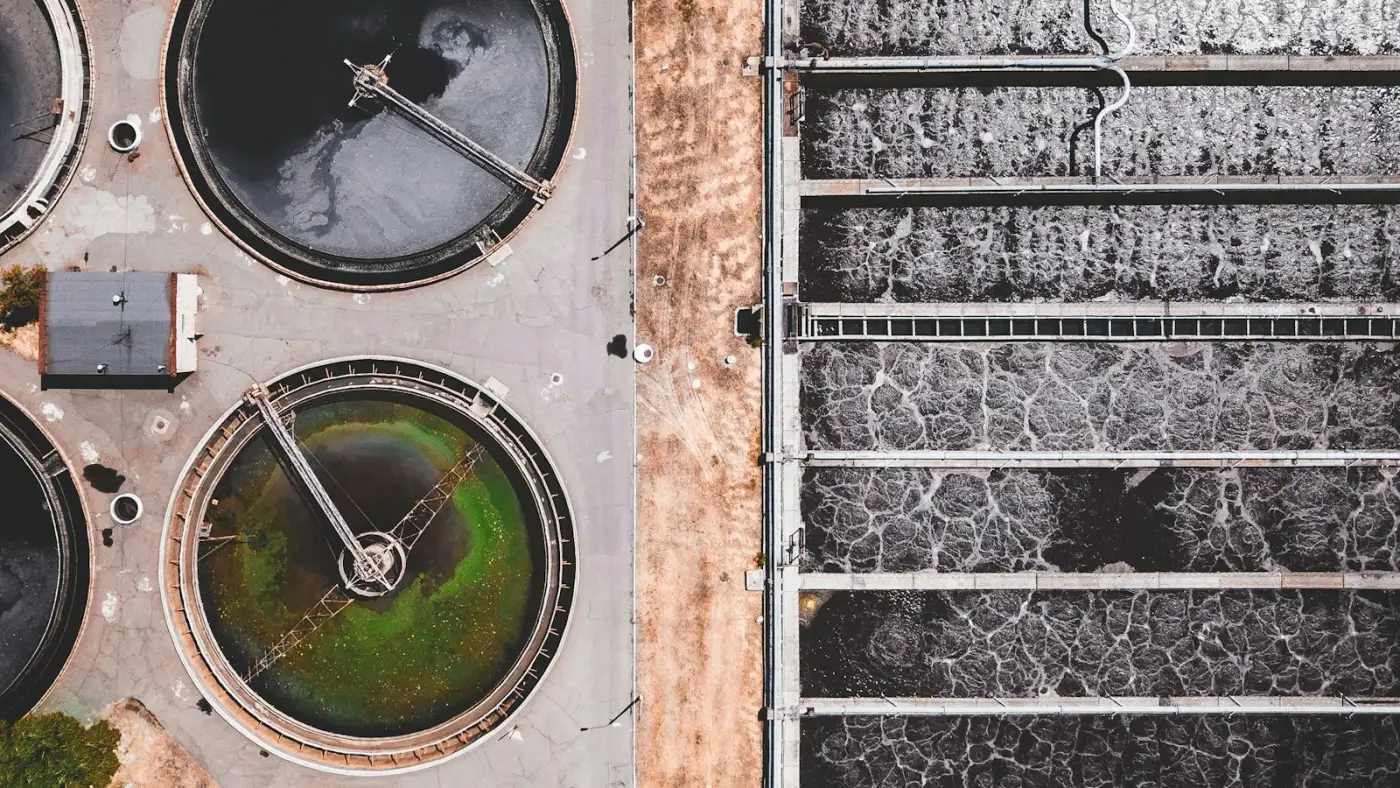
In most states, effluent compliance means treating wastewater to a limit before discharge. For Tamil Nadu's textile dyeing and tannery clusters the bar is higher: zero liquid discharge (ZLD) — no treated effluent leaves the site at all. The water is recovered and reused, and only solids go out, as sludge or salt.
Why Tamil Nadu moved to ZLD
Decades of dyeing effluent damaged rivers and groundwater around Tiruppur, most visibly the Noyyal. After court orders over that pollution, dyeing and bleaching units — and later the state's tanneries — had to move to zero liquid discharge, either in their own plants or through common effluent treatment plants built for it.
TNPCB consents
The Tamil Nadu Pollution Control Board issues a Consent to Establish (CTE) and a Consent to Operate (CTO) under the Water Act, 1974 and the Air Act, 1981, plus hazardous-waste authorisation. For ZLD units the consent conditions spell out the treatment and recovery the unit has committed to — and that is what an inspection checks.
Where ZLD applies
- Tiruppur — knitwear dyeing and bleaching, on individual or common ZLD plants.
- Ranipet and Vellore — leather tanning, largely through common effluent plants.
- Erode, Karur and other textile towns — dyeing and processing units under similar expectations.
The records that prove ZLD is working
A ZLD plant on paper is not a ZLD plant in operation. What protects a unit is a continuous record that the system runs:
Checklist6 items
- Effluent generated against water recovered and reused, month by month
- Reverse osmosis and evaporator running hours, and downtime with reasons
- Reject and salt management — where the concentrate goes
- Sludge quantities and disposal to authorised facilities, with manifests
- Regular lab reports on inlet and recovered water
- Electricity and fuel records that match the plant's claimed operation
National deadlines still apply
Checklist3 items
- Form-V environmental statement by 30 September
- Hazardous-waste annual return (Form 4) by 30 June
- CTO renewal well before expiry — see the renewal checklist
Using EnvironDesk for TNPCB clients
EnvironDesk keeps each unit's CTO, authorisation and monitoring schedule on one calendar with reminders at 60, 30 and 7 days. Lab reports are checked against limits as they're entered, and every manifest and record is filed against its factory — so when an inspector asks for six months of ZLD evidence, it's in one place. Auto-filled application forms currently cover GPCB; for TNPCB you file on the board's system as usual. More on the Tamil Nadu page.
Get the free GPCB compliance checklist
Every clearance a Gujarat factory needs, with document lists and renewal timelines. 12 pages, no charge.
Vishal Mevada
Co-founder, EnvironDesk
Vishal spent nine years running environmental compliance for factory clients across Gujarat's GIDC estates before starting EnvironDesk. He has filed more CTO renewals than he cares to count.
General information, not legal advice. Environmental regulation changes, and how a rule applies depends on your unit's category, location and consent conditions. Verify anything decision-critical against the current GPCB or CPCB position, or take professional advice.
Related reading
All articles → Guide3 min read
Pollution Control Board Consent in India: One Law, Many State Boards
How consent to establish and operate works under every State Pollution Control Board — why Karnataka says CFE/CFO and Gujarat says CTE/CTO, what is the same nationally, and what to track.
Read more Checklist2 min read
Consent to Operate Renewal: A Checklist That Works in Every State
The documents, records and timeline a consent to operate (CTO / CFO) renewal needs under any State Pollution Control Board — and the mistakes that delay it.
Read more